


A. Introduction
Delayed Gratification: The Habit Behind Every Big Success
“Successful people are not more talented. They are more patient.”
In today’s world, everything has become instant. Instant food. Instant entertainment. Instant replies. Instant pleasure.
We live in a world where everything is available instantly. And because of this, we have also become accustomed to expecting instant results. But there is one truth that will never change—success is never instant.
Success comes to those who can wait, work consistently, acknowledge their weaknesses and work on them, and maintain discipline—even when results aren’t immediately visible.
This powerful habit is called: Delayed Gratification.

Simple Meaning of Delayed Gratification
Delayed gratification means: Sacrificing short-term comfort for long-term success.
It means sacrificing a little today so you can reap a big reward tomorrow.
It means:
• While others are scrolling social media, you are studying.
• While others are relaxing, you are practicing.
• While others are choosing instant pleasure, you are silently building your future.
Let’s understand with a simple example:
Watching Netflix right now → Instant pleasure
Learning a skill through an online course → Future success
One thing gives you comfort. The other thing gives you growth.
Comfort is temporary. Growth is permanent.
What do successful people do differently?
Successful people always make an important choice:
They choose growth over comfort.
They choose the important over the easy.
They focus on future success rather than present pleasure.
They realize that:
Today’s discipline creates tomorrow’s success.
In this blog, we’re going to talk about this delayed gratification and provide some practical tips that actually work.
B. The Famous Marshmallow Experiment (Scientific Proof)
Delayed gratification isn’t just a motivational idea—it’s a scientifically proven concept.
A famous experiment was conducted at Stanford University, known as the Marshmallow Experiment. In this experiment, young children were seated in a room and a marshmallow was placed in front of them. They were given simple instructions:
👉 You have two choices:
• Either you can eat this marshmallow right away,
OR
• If you wait 15 minutes, you will get not one, but two marshmallows.
Now the real test began.
Some children couldn’t resist the temptation and ate the marshmallow immediately. But some children showed patience. They waited, controlled their temptation, and ultimately received a double reward. Researchers observed these children for years.
The experiment didn’t end there. Researchers followed these children for the next several years, observing their life outcomes.
The results were shocking.
The children who waited showed increased levels of these qualities:
• They had better academic performance
• They achieved better careers
• They had stronger emotional control
• And overall, they achieved higher success in life
The most important finding was this:
The ability for delayed gratification was a more powerful factor than IQ in predicting success.
This means that simply being intelligent isn’t enough.
If you are patient, disciplined, and can control short-term temptations—the probability of success automatically increases.

What is the real-life meaning of this experiment?
You too encounter “marshmallow moments” in your daily life.
• Scrolling Instagram → Instant pleasure
• Reading self-help books → Future success
• Watching a movie → Instant comfort
• Preparing for exam → Long-term reward
Every day you face a choice:
Instant marshmallows or double marshmallows later. Successful people always choose the second option. Because they know: Temporary sacrifice leads to permanent success.
C. Real-Life Examples of Famous Personalities
Delayed gratification isn’t a theory—it’s a habit evident in every successful person. Every great personality has done one thing in common: they sacrificed short-term comfort for long-term success. Let’s illustrate this with some real-life examples.
1. Dr. A.P.J. Abdul Kalam – Journey from Newspaper Boy to President
Dr. A.P.J. Abdul Kalam was born into a simple and financially weak family. He had no luxury or comfort. To support his education, he sold newspapers at a young age. Imagine, while other children were playing and enjoying themselves, Kalam Sir was focused on his studies and responsibilities.
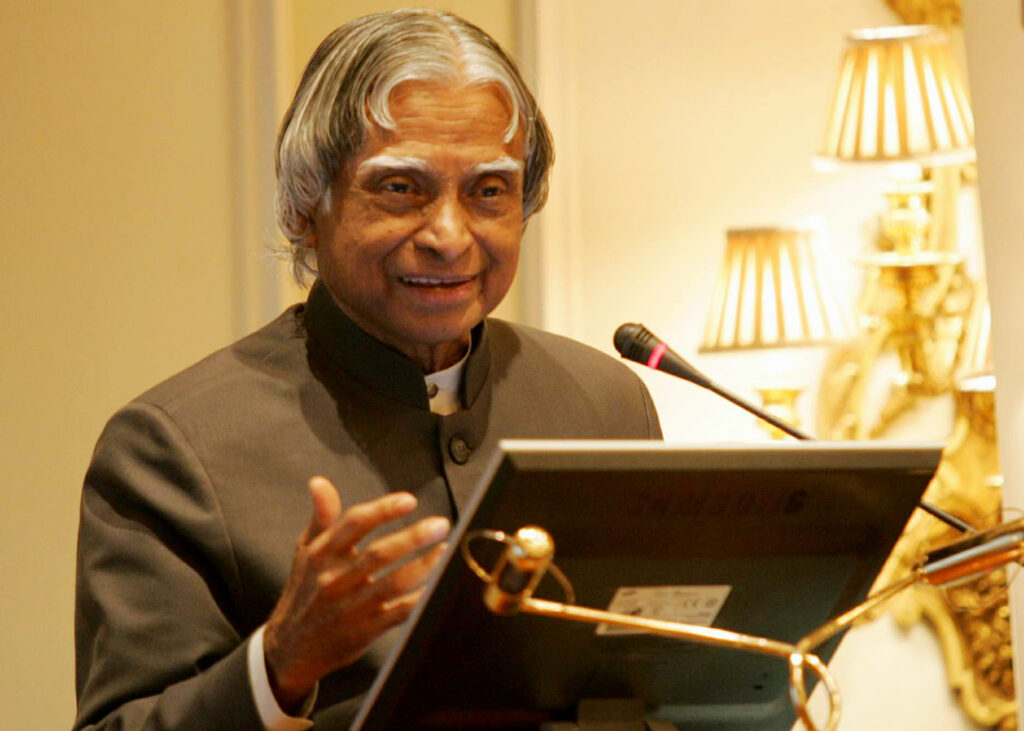
He didn’t choose an easy life.
He chose discipline.
While others were enjoying the present, he was building the future.
He delayed comfort for years, avoided distractions, and kept his focus on science and learning.
Result?
He became:
• One of India’s greatest scientists
• The Missile Man of India
• And finally, the President of India
This is a perfect example of the power of delayed gratification.
2. Elon Musk – Patience and Persistence Even After Failures
Today, Elon Musk is one of the world’s most successful innovators. But his journey wasn’t easy. Before success, he faced multiple failures.
• SpaceX’s rockets failed several times upon launch.
• Tesla was on the verge of bankruptcy.
• He even invested his personal savings.

He had a choice: give up and choose a safe life or continue struggling and build a future.
He chose the second option.
He remained patient.
He tolerated the pain.
He didn’t expect immediate reward.
He practiced delayed gratification.
Result?
Today, Elon Musk is the founder of revolutionary companies like SpaceX, Tesla, and Neuralink, and is one of the world’s most influential innovators.
3. Virat Kohli – Discipline Made Him Great
Virat Kohli had talent, but talent alone is not enough for success.
He made a conscious decision: to follow strict discipline in his life.
He sacrificed:
• Junk food
• Late-night parties
• Comfort zone
• Social distractions

He controlled his diet, focused on fitness, and practiced consistently.
While others were enjoying themselves, he was improving his game.
He sacrificed short-term pleasure for long-term excellence. It wasn’t easy, it won’t be easy, and…
Result? Today, Virat Kohli is counted among the greatest cricketers in the world.
Common Lesson From These Examples
Dr. Kalam, Elon Musk, and Virat Kohli—all three come from different fields. But they share a common habit: Delayed Gratification
- They didn’t choose immediate comfort.
- They chose future success.
They understood that:
- Temporary sacrifice leads to permanent success.
- This habit distinguishes average people from successful ones.
D. Why Most Students Fail to Practice Delayed Gratification
In today’s modern world, practicing delayed gratification has become difficult—and the main reason for this is the easy availability of instant pleasure.
Today, students have distractions available all the time:
• 📱 Social media dopamine (Instagram, YouTube, Reels)
• 🎬 Constant entertainment (Netflix, games, web series)
• Short attention spans (instant switching between apps)
All of these things condition the brain for instant pleasure.
The brain is naturally attracted to easy and enjoyable things. So, when faced with a choice between a difficult task like studying and an easy pleasure like a phone, the brain chooses the easy option.

But the truth is this:
Success comes not from easy things, but from difficult efforts.
Easy choices bring comfort. Difficult choices bring success.
E. Practical Tips to Develop Delayed Gratification
Look at any successful person, and you’ll find a common pattern.
• Toppers in competitive exams have delayed their comfort.
• Scientists have invested years of hard work.
• Doctors have engaged in years of disciplined study.
• Entrepreneurs have tolerated struggle and uncertainty.
They sacrificed their present for their future. They understood a simple principle:
Pain now. Pride later.
- A little struggle today, a lifetime of respect and success tomorrow.
- Delayed gratification is actually an investment—the return of which is received in the future.
Delayed gratification is not an inborn talent. This is a skill that can be developed through daily practice. Here are some simple and practical steps that students can apply immediately:
1. Follow the “5-Minute Rule”
Whenever you don’t feel like studying or doing any other important work, simply say to yourself:
“I’ll just try it for 5 minutes.”
The brain will find this task easier, and resistance will decrease. The most important part is starting. Once you start, momentum automatically builds, and you’ll continue for more than 5 minutes.
Remember: Starting is harder than continuing.
2. Remove Instant Distractions
If you have your phone nearby, distraction is almost guaranteed. So, while studying:
• Put your phone on silent mode
• Or put it in another room
Environment directly influences behaviour.
No distractions = Better focus
Successful students create a distraction-free environment because distractions condition your brain to seek instant gratification.
3. Focus on Identity, Not Motivation
Motivation is temporary. Identity is permanent. Instead of saying:
“I am trying to study,”
Start saying: “I am a disciplined student.”
When you change your identity, your behavior automatically changes.
Because: Identity drives behavior.
4. Visualize Your Future Self
Imagine this for a minute every day:
- If I remain disciplined for the next 5 years, what will my life be like?
- And if I remain distracted, what will my life be like?
This simple exercise helps you develop long-term thinking. You realize that today’s discipline will become tomorrow’s reality.
5. Practice Small Discipline Daily
Discipline is like a muscle, the more you practice it, the stronger it becomes.
Start small:
• Try to do the most difficult or boring task, even if it’s for a short time.
• Practice staying in silence for a while.
• Write down the next day’s tasks before going to bed and try to complete them.
Small daily discipline gradually builds strong self-control. Consistency is more important than intensity.
Delayed gratification doesn’t mean not enjoying life.
It means: Controlling temporary comfort for lasting success.
Today’s small discipline creates tomorrow’s big success.
G. The Harsh Reality Most People Don’t Want to Accept
There’s a harsh reality that most people don’t want to accept: Life rewards patience, not instant pleasure.
What do average people choose?
Comfort. Easy options. Instant happiness.
What do successful people choose?
Growth. Discipline. Long-term success.
Every time you choose discipline over comfort, you move one step closer to your success.
And every time you choose comfort over discipline, you delay your success. Success doesn’t come suddenly.
Success is built silently—through daily discipline.
- A Message Especially for Students
Dear Students,
Your future doesn’t depend on luck or chance. Your future depends on your daily habits and daily choices. Every hour you invest in learning brings you closer to:
• Your long-term goal
• A bright career
• Respect and financial stability
Every disciplined day is shaping your future. Delayed gratification is not a sacrifice.
H. Final Message: Your Future is Built by Your Present Discipline
You may not see results today. You may feel like your hard work isn’t yielding immediate rewards.
But the truth is this:
- Every disciplined day compounds.
- Every focused hour matters.
- Every effort is silently building your future.
- Success isn’t built in a comfort zone.
- Success is built in a discipline zone.
Today you have a choice:
Choose comfort… or choose discipline. If you choose discipline today, one day your future self will thank you.
Because ultimately: Today’s discipline creates tomorrow’s success.
You can explore more blogs on Edumentorashish.com.
Here, we don’t teach “working harder”…
👉 We teach “working smarter.”
👉 You can also visit our YouTube channels:
- Edumentor Ashish (For learning tips and motivational content)
- Dr. Ashish Pathak Online (For Pharma related content)